

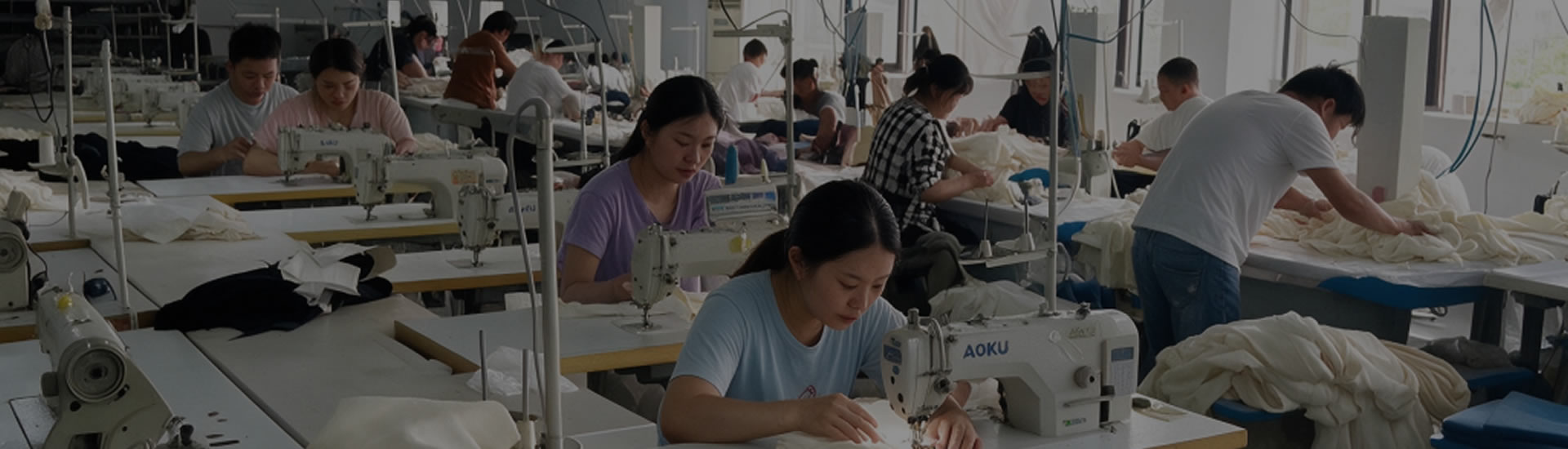
Corporate uniform customization is a stable bulk order business in formal wear foreign trade, covering enterprises, hotels, financial institutions, education institutions and many other industries. There are clear industry standards and detail requirements for large-scale formal uniform procurement and customization.
Unified version and size standardization is the primary requirement for group customization. Different from retail personalized styles, corporate uniforms require neat and unified overall styling. Manufacturers need to provide complete size charts covering multiple body types to ensure that employees of different heights and shapes can wear standardized and tidy uniforms.
Fabric durability and easy-care performance are core assessment indicators. Corporate uniforms need to be worn daily for a long time, so fabrics must have excellent wrinkle resistance, wear resistance and color fastness. They should not be easy to fade, deform or pilling after long-term wearing and repeated cleaning, reducing enterprise replacement costs.
Brand personalized customization is the key value of uniform orders. Enterprises usually require exclusive logo embroidery, brand color matching and customized detail design on suits, shirts and ties. Professional formal wear manufacturers can accurately restore corporate brand elements and highlight corporate image through detail customization.
Industry scenario adaptation is also very important. Financial and legal industries prefer formal and steady dark suits and standard shirts; hotel and service industries pay more attention to neat and bright styling; cultural and creative enterprises tend to casual and versatile light formal styles.
Stable batch quality and fast delivery cycle are the basic guarantees for group orders. Qualified suppliers can realize unified quality of bulk products, no color difference and no version difference, and complete mass production and delivery efficiently to meet the unified dressing time requirements of enterprises.

